1.product Introduction
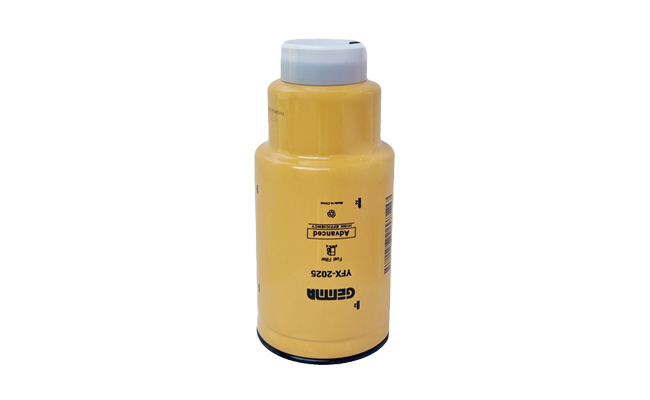
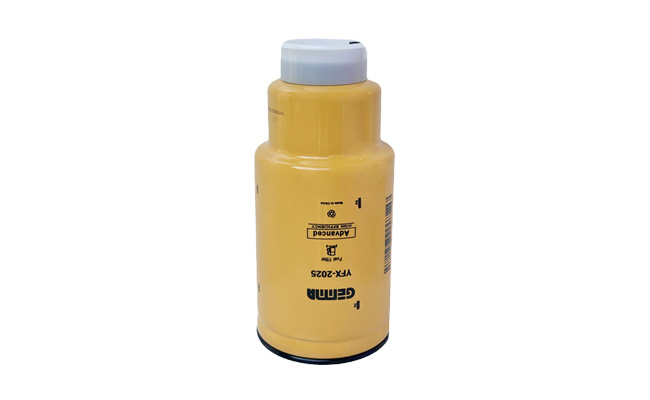
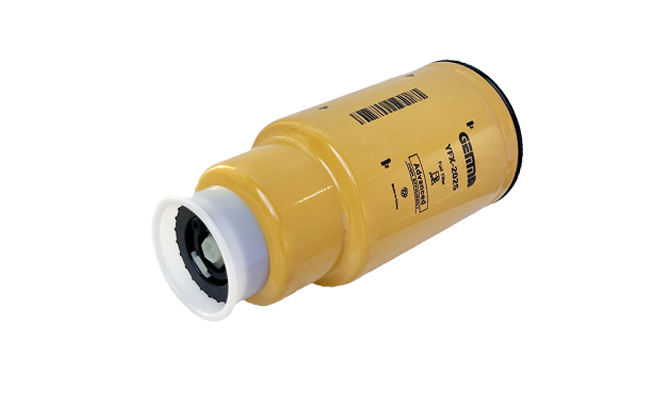
Fuel filter for 423-8525,Fuel filter for 423-8525 is suitable for CAT engineering machinery vehicles. It uses imported high-performance synthetic fiber filter paper and scientific pleated design to effectively filter harmful particles as small as 20-25 microns (such as metal debris, dust, and carbon deposits) while ensuring excellent circulation. It provides a clean operating environment for the engine like an operating room, significantly reducing wear and tear. 23-8525 Tractor Diesel Parts Fuel Water Separator Fuel Filter for P550900 Fs20007 4238525 423-8525 To meet the requirements of original factory quality, Yonghua Filter pursues high quality.
2.Product Parameter
Brand Name | Yonghua |
Yonghua No. | YFX |
Place of Origin | Shandong, China |
Original No. | suitable for 423-8525 |
Suitable model numbers for construction machinery | Suitable for CAT excavator, loader, bulldozer, grader |
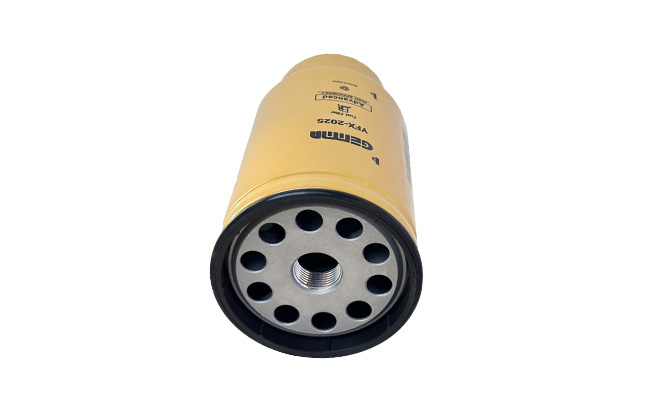
Size | Outer diameter 1: 108mm Height: 194mm Inner diameter 1: 108mm Inner diameter 2: 94mm Thread size: 1-14 |
Filter Type | Fuel filter |
Warranty | 1Year |
Service | OEM |
Material | Iron+ Filter Paper |
Sample | Available |
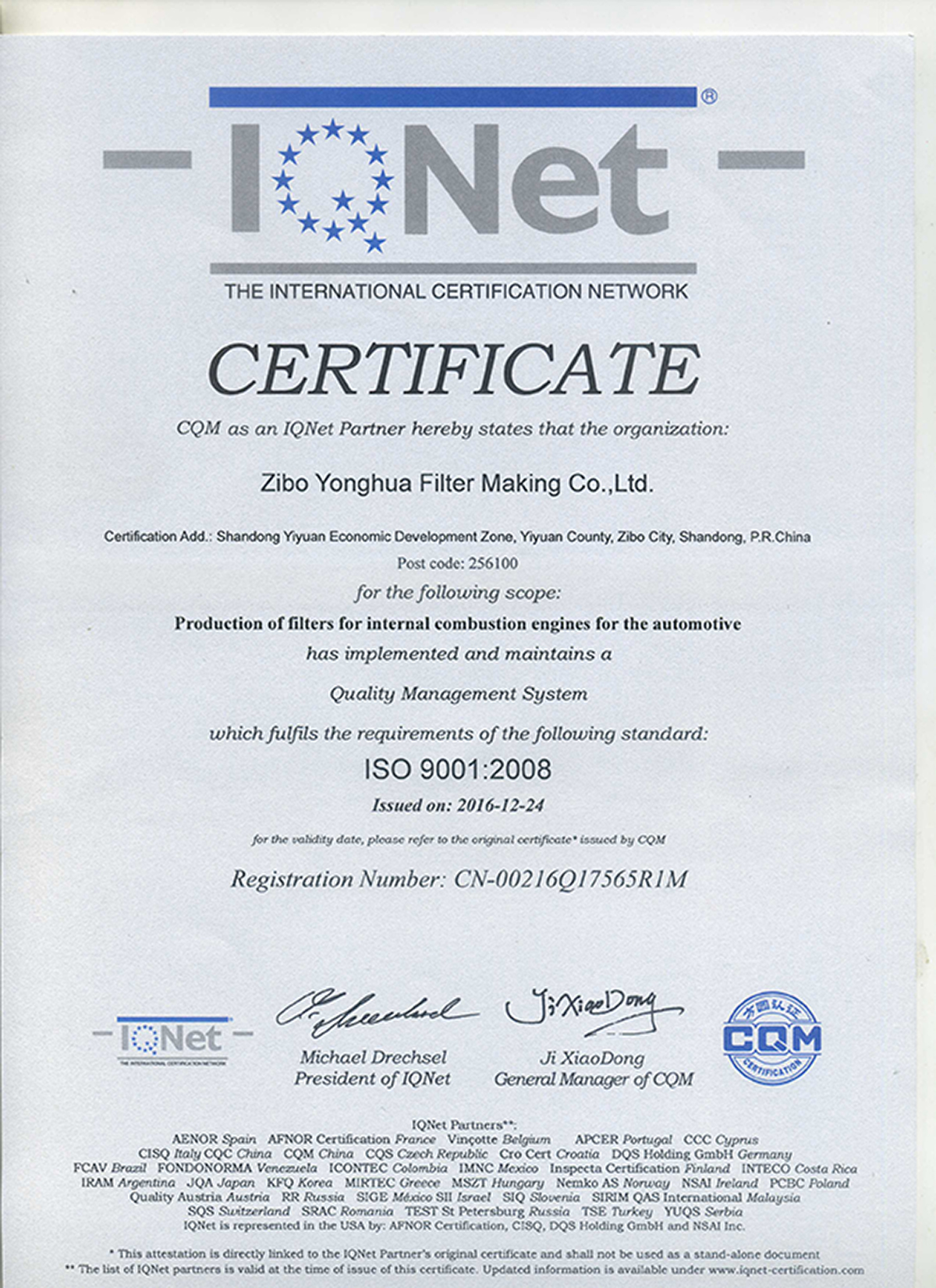
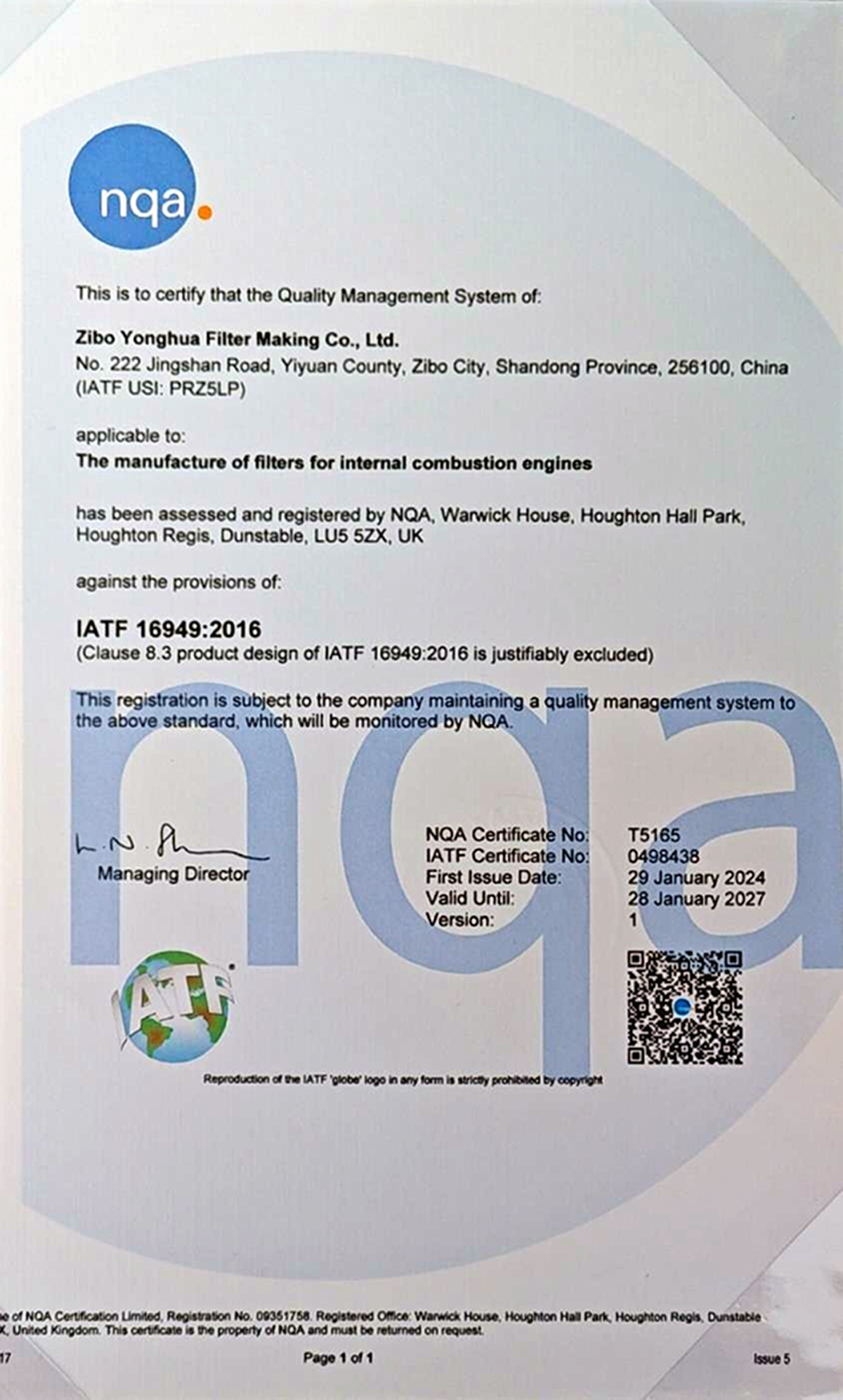
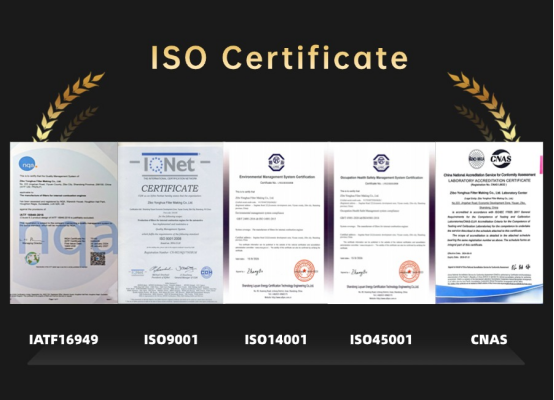
Certification | IATF16949:2016 |
Packing | Normal Package\Genuine Package\Customized |
MOQ | 500 |
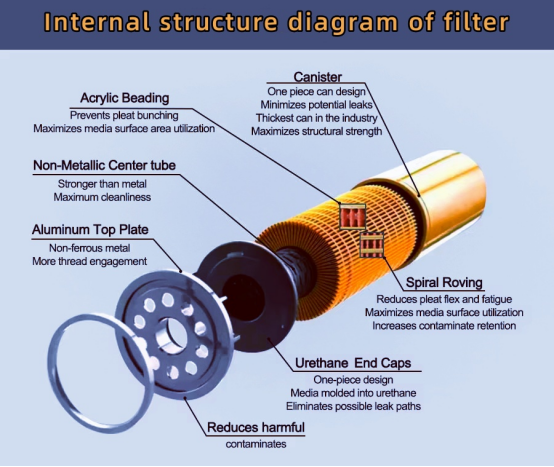
3. Product Structure
Product Structure for Fuel filter for 423-8525,excavator filter
4.Product Feature
Fuel filter for 423-8525:
The excavator Diesel Engine Fuel Filter Water Separate Filter for 423-8525 uses sturdy metal end caps to ensure that the filter material does not deform under pressure fluctuations. The specially made silicone sealing ring has excellent high temperature resistance and anti-aging characteristics. Once tightened, it will be leak proof for life, giving you peace of mind.
Efficient check valve: prevents oil backflow, ensures that the oil can quickly reach all lubrication points at the moment of engine start-up, and effectively reduces damage caused by cold start dry grinding.
5.Company Strength
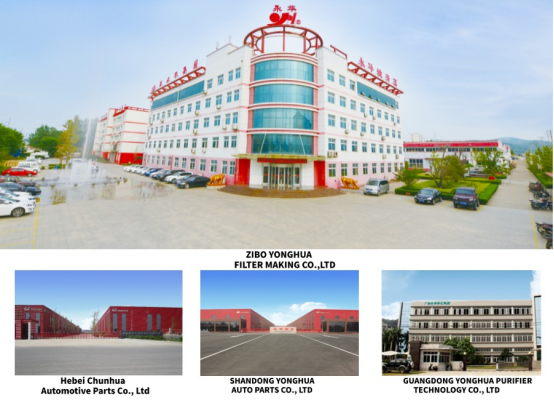
Yonghua Group was founded in 2001 and is headquartered in Yiyuan Economic Development Zone, Shandong Province .At present, the company has more than 900 employees, covers a total area of more than 700 acres, has a registered capital of 150 million yuan, and has 280,000 square meters of production, warehousing and modern office plants. It has subsidiaries such as Zibo Yonghua Filter Making Co., Ltd., Shandong Yonghua Auto Parts Co., Ltd., Shandong Yonghua Purification Technology Co., Ltd. and Guangdong Yonghua Purification Technology Co., Ltd.
6.Factory Workshops
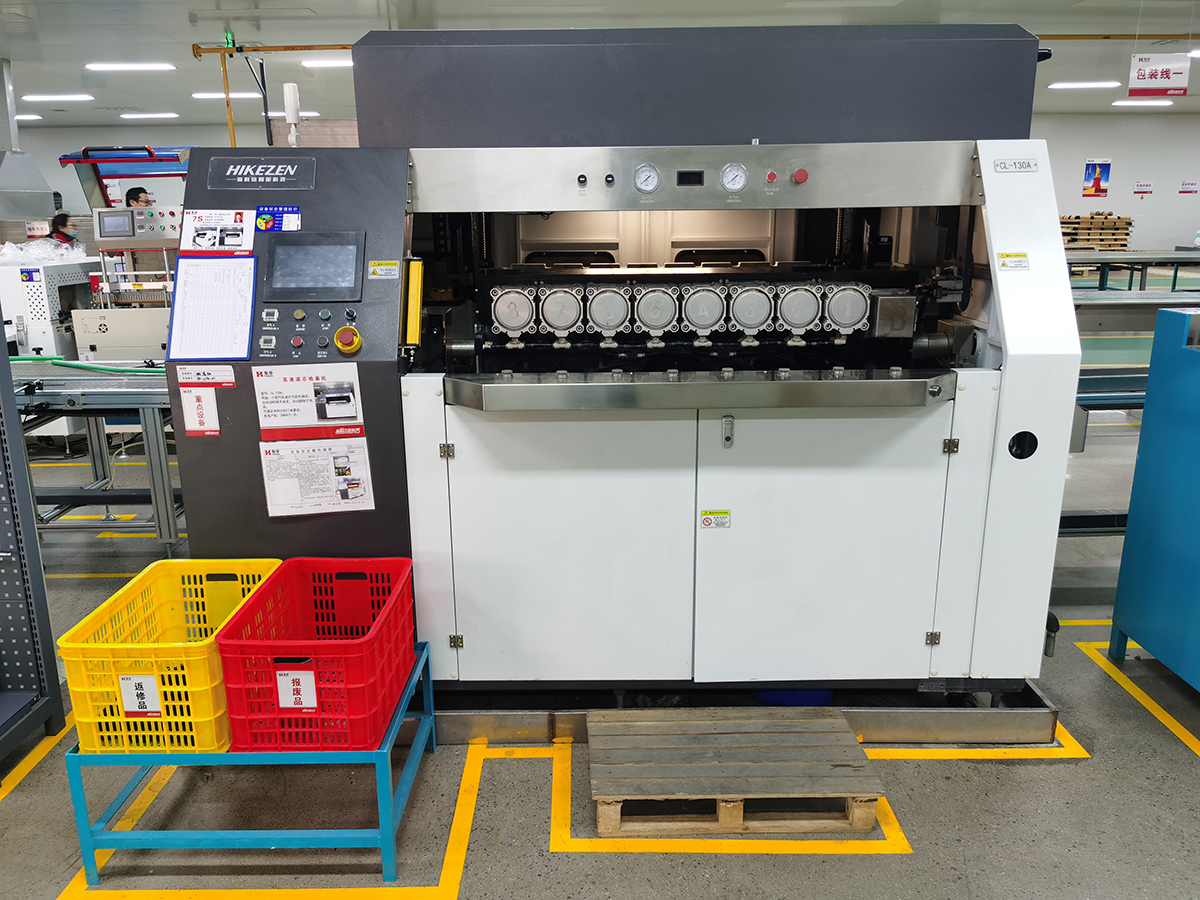
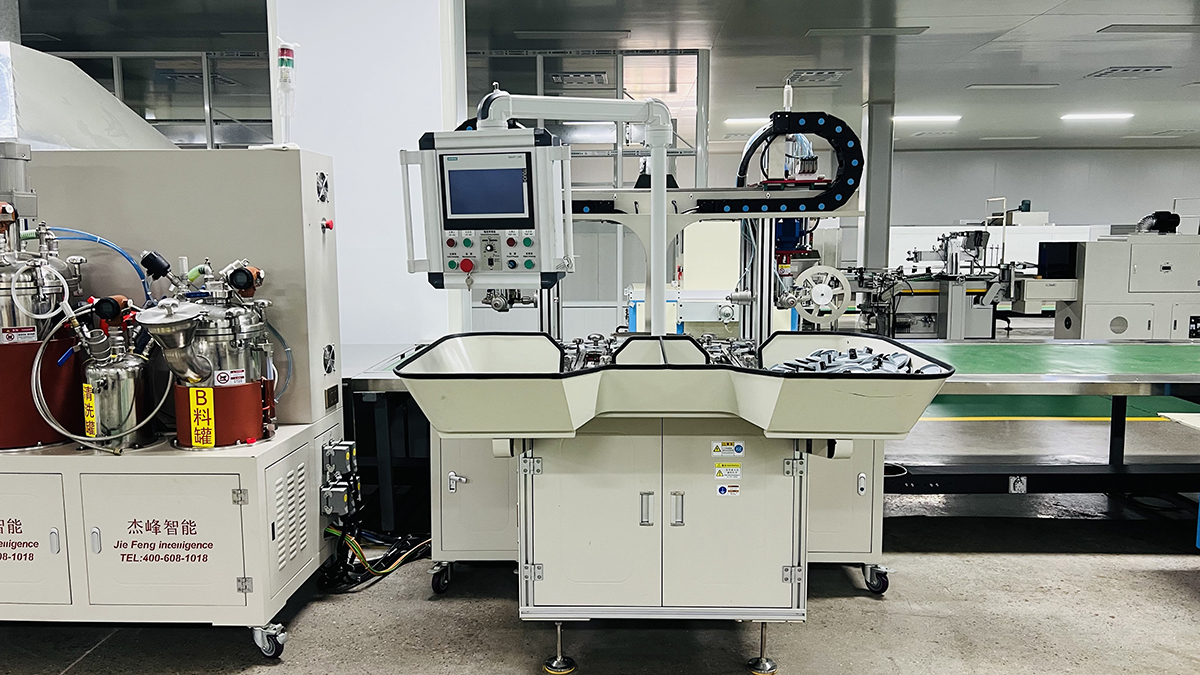
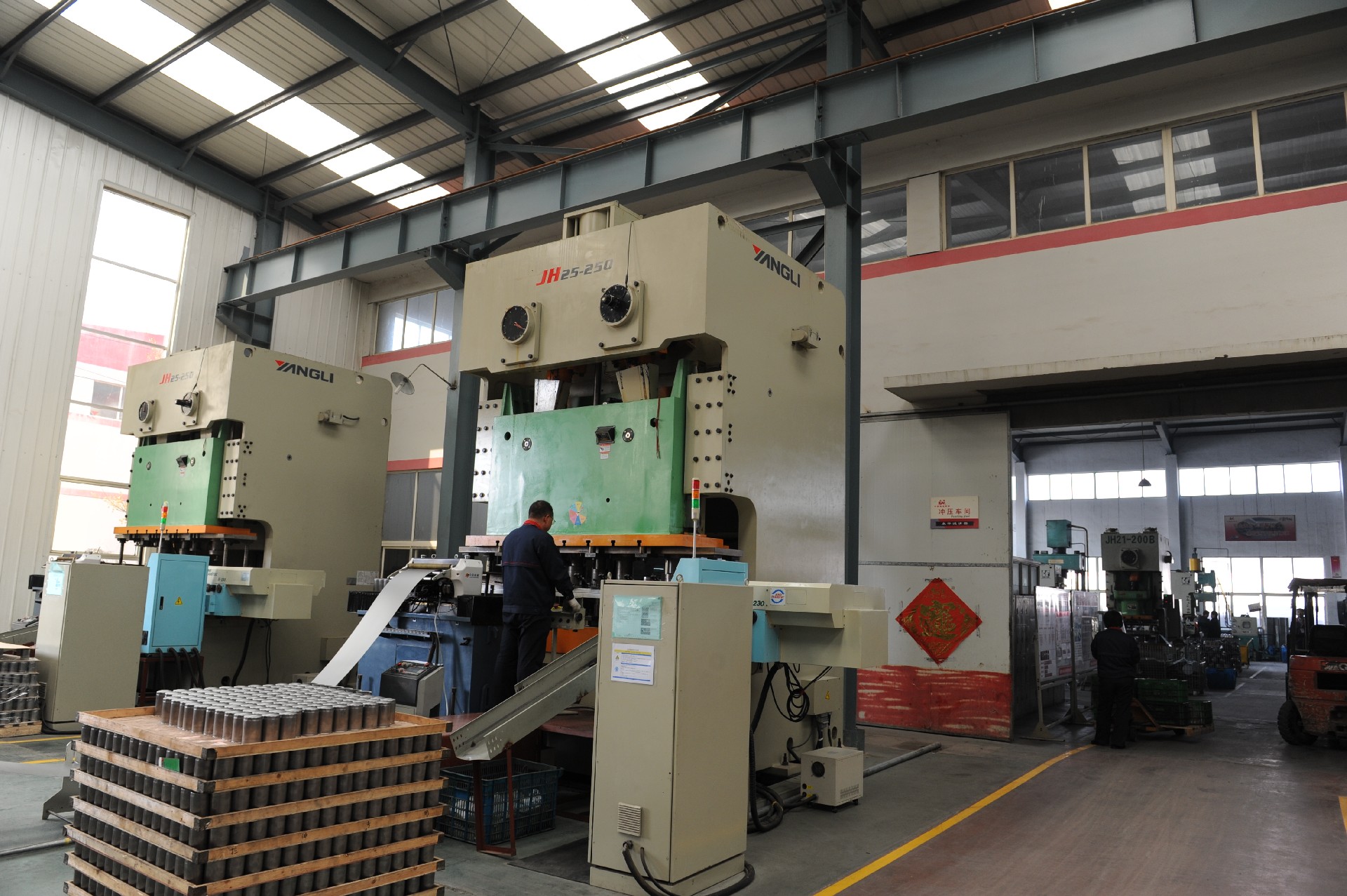
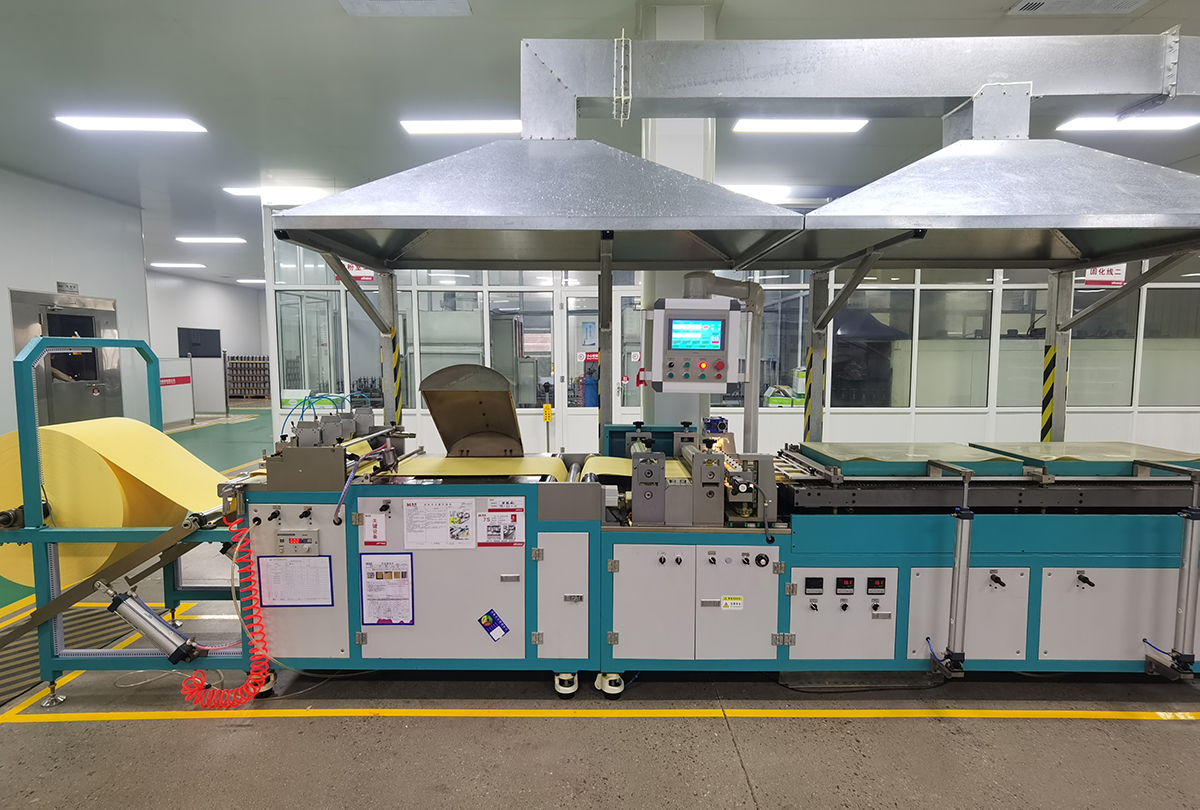
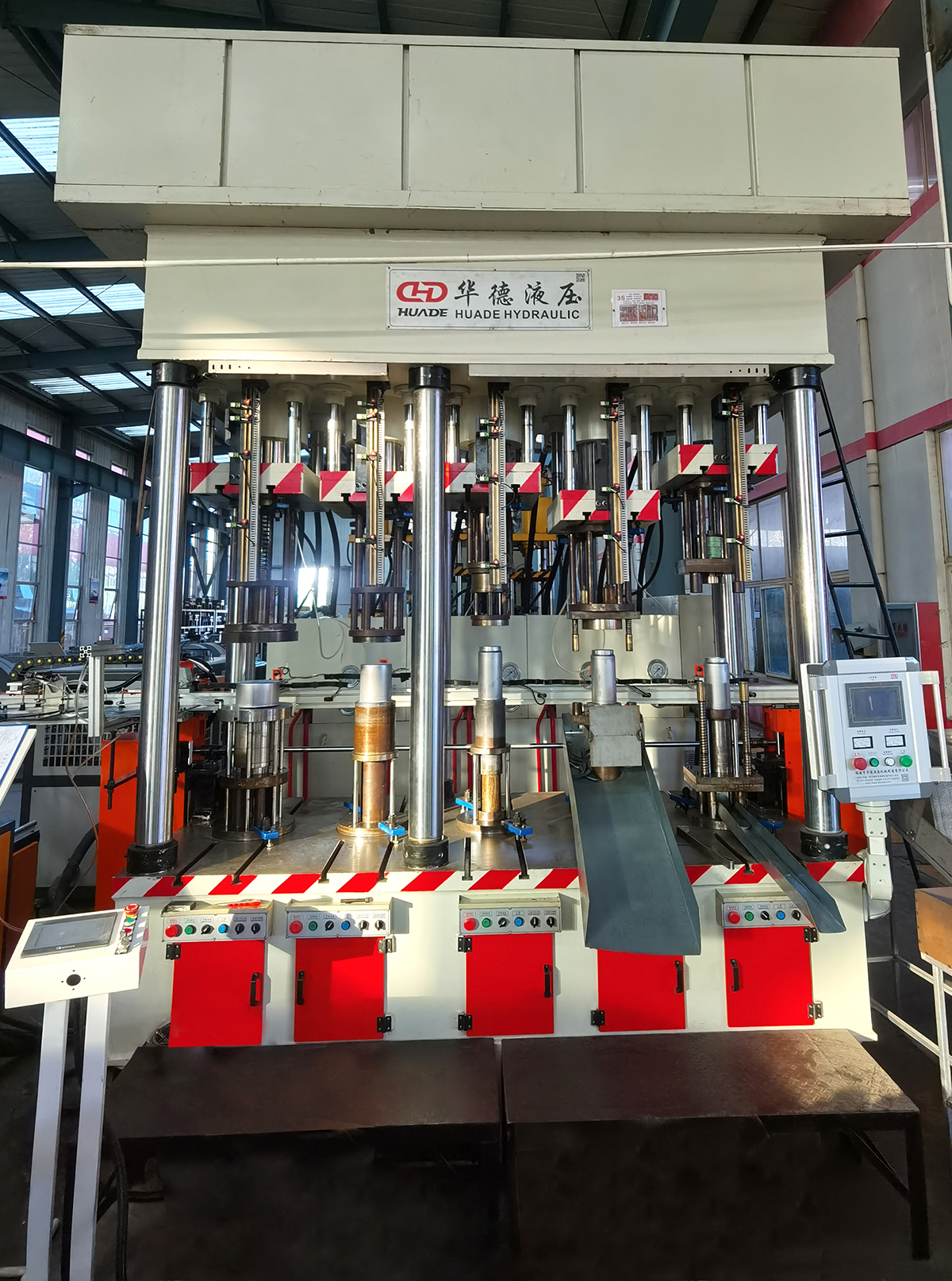
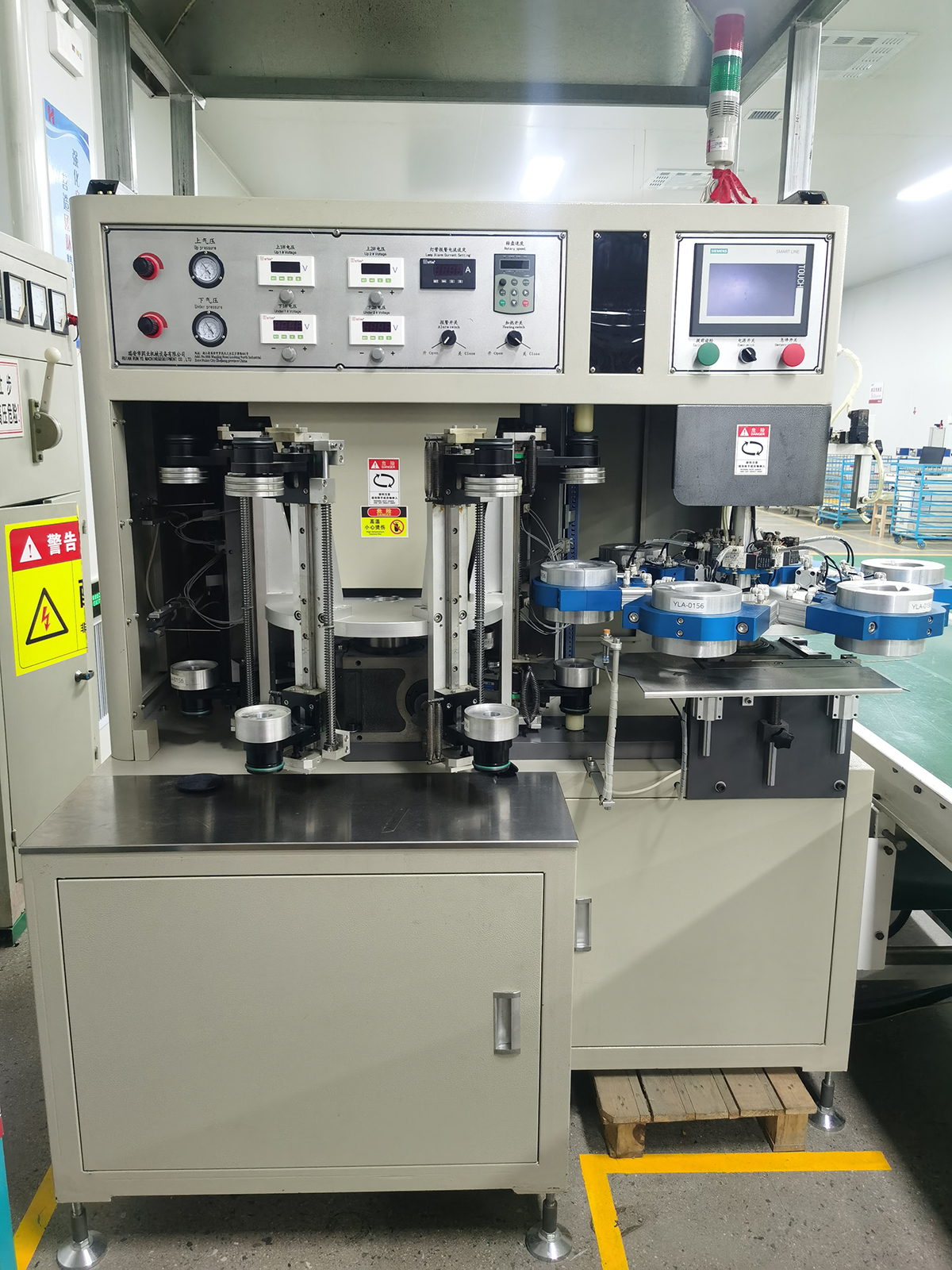
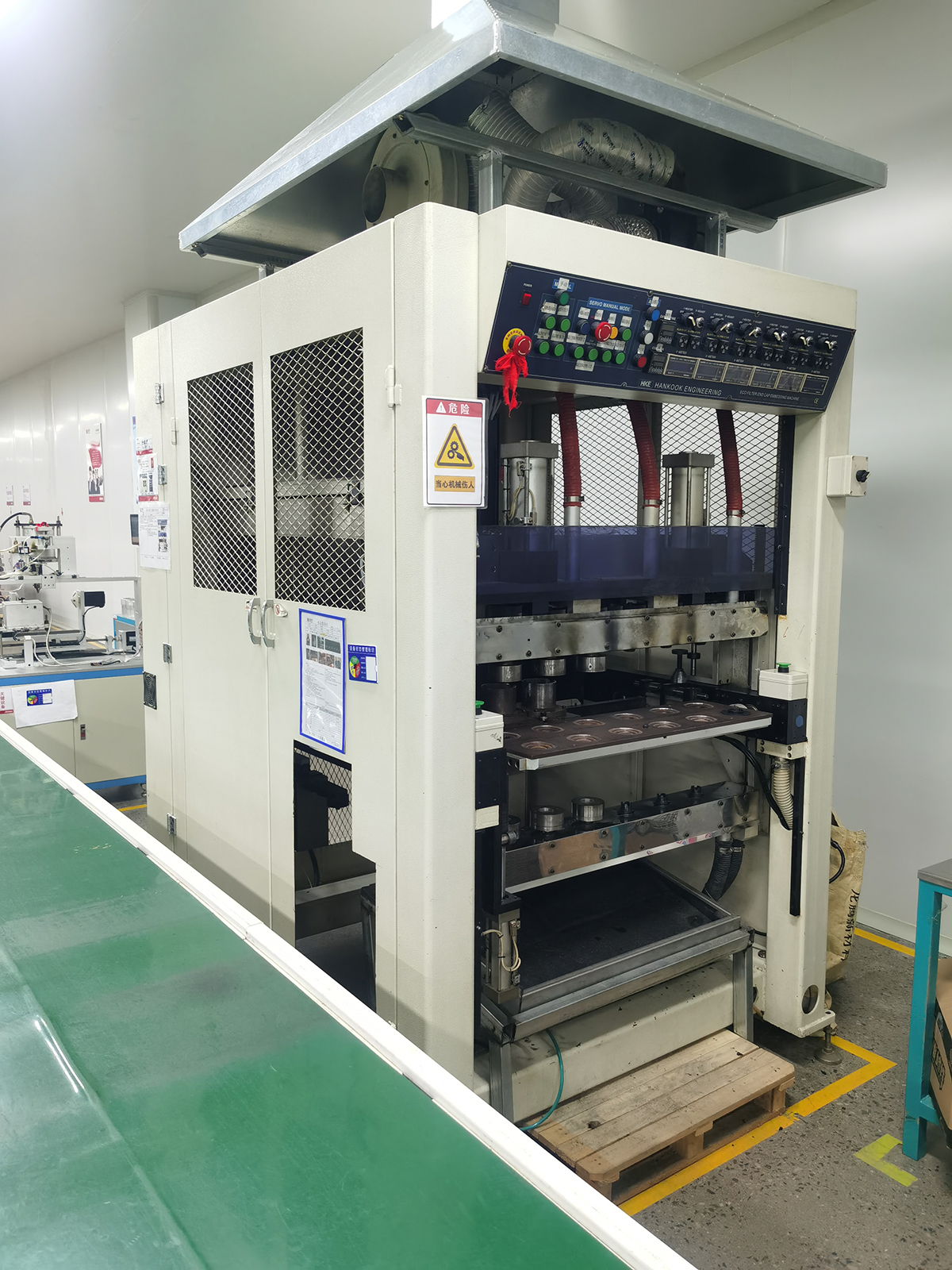
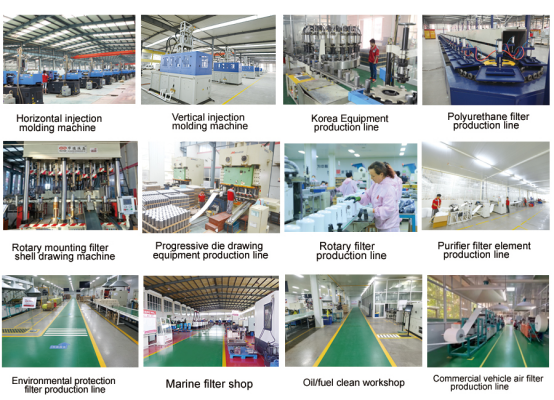
Yonghua Group have 5 production lines with shift capacity of 20,000 spin on filters ;1 production lines with shift capacity of 40,000 filters per 8-hour-worktime;16 production lines of polyurethane filters suitable for cars and big air filters;3 production lines with shift capacity of 2000 paper cartridges of big air filters;1 production line for filter assembly and electrophoretic coating ;200 sets of machining and mold processing equipment.With more than 50 sets of Haitian 100 g-1000g , We have 300-500 kg daily output of injection molding equipment and 60 sets of advanced stamping mold production lines. We can produce all kinds of rotary mechanical oil filters , diesel filters, polyurethane, plastic filters and various kinds of air filters, filter assembly and marine filters.
7.Laboratory
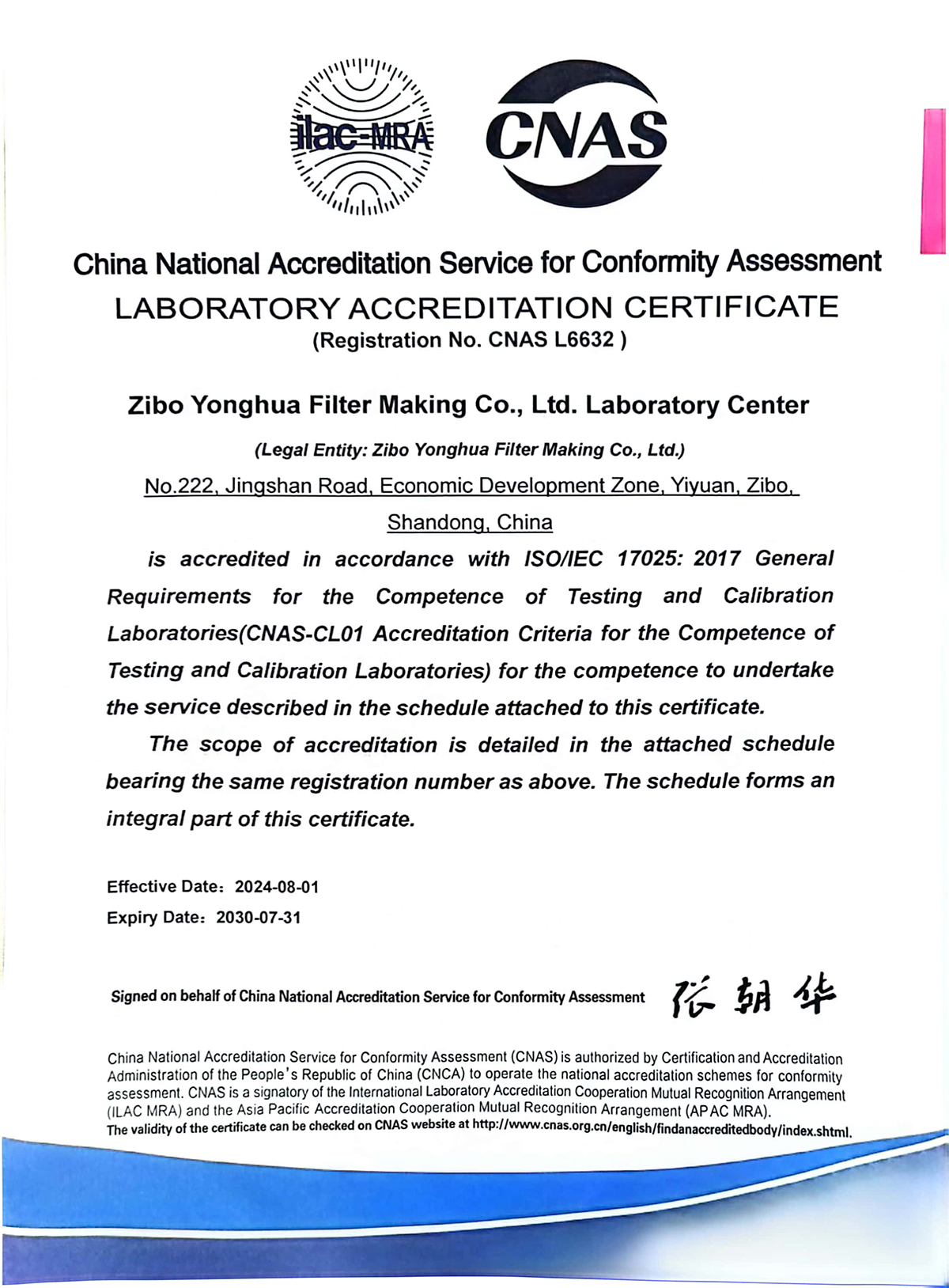
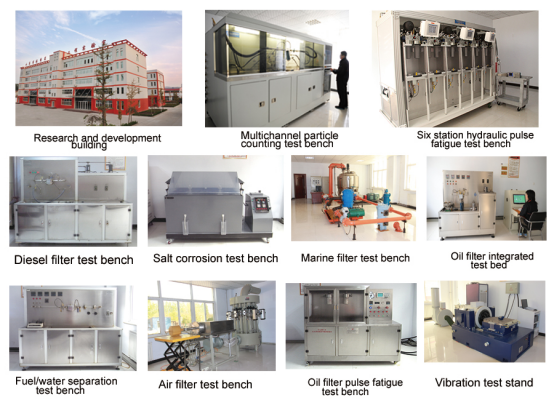
Yonghua Group has a technology center building with a construction area of 5600 square meters, equipped with advanced domestic equipment and a complete range of air filter laboratories, oil filter laboratories, fuel filter laboratories, marine filter laboratories, comprehensive laboratories, material laboratories, and particle size testing. Among them, the 5112m ³/h air filter test bench and 80m ³/h marine filter test bench equipped in the laboratory are both domestically produced high flow and high configuration test benches, which can detect various indicators of raw materials and finished products. The multi-channel test bench with a flow rate of 0.5L-240L and a pore size of 4 microns imported from the United States is currently an internationally advanced experimental equipment. Our laboratory has passed CNAS laboratory testing.
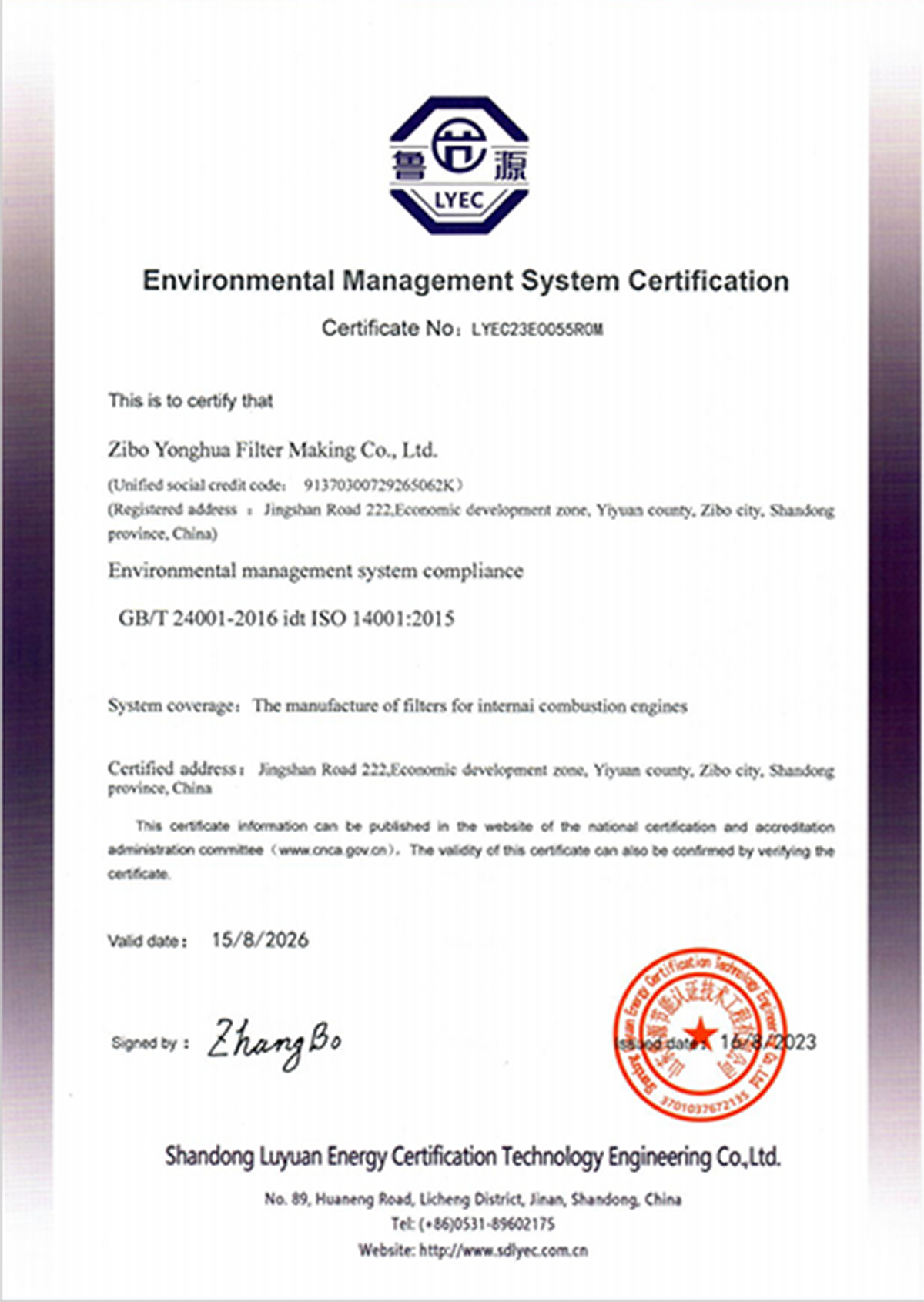
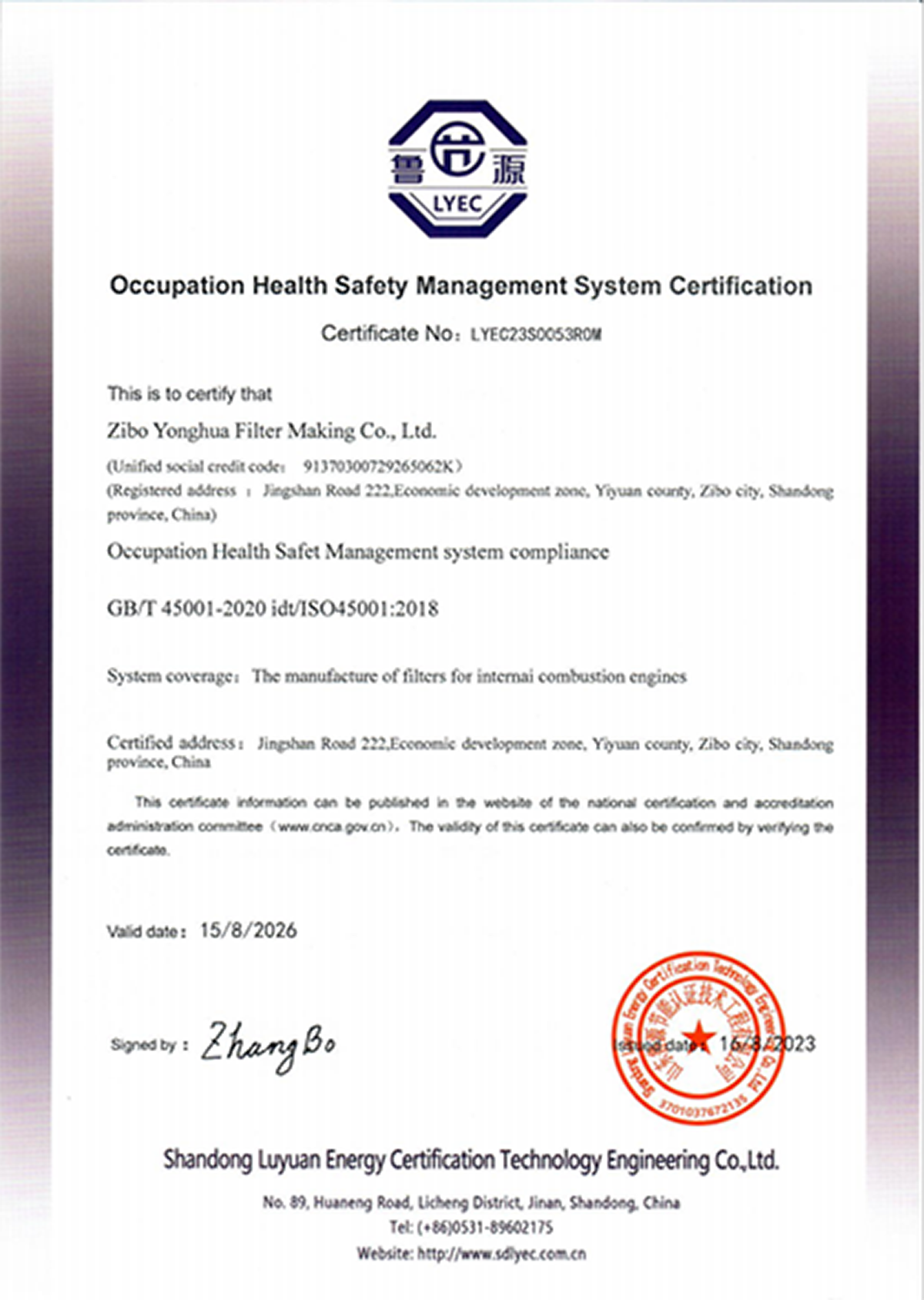
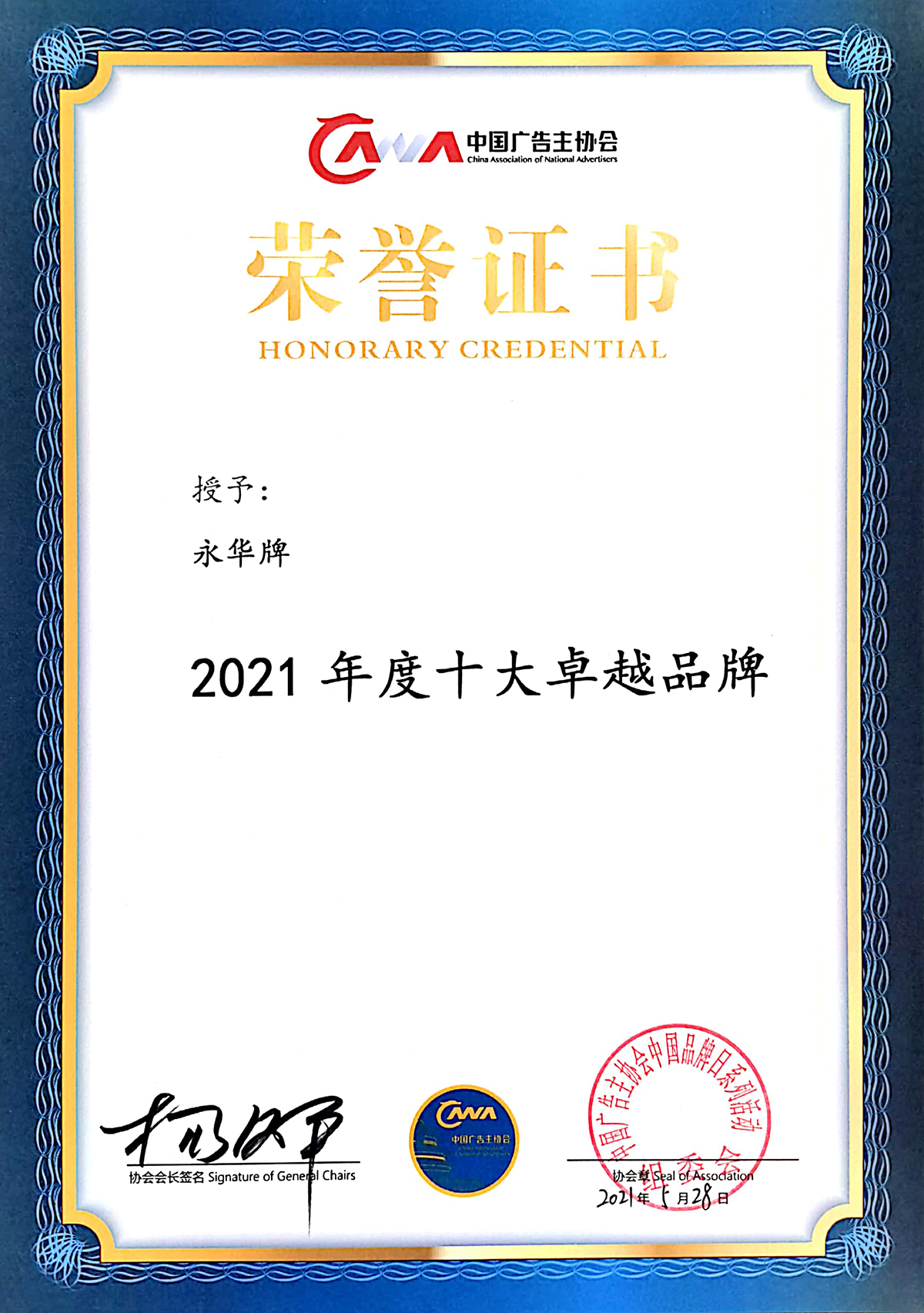
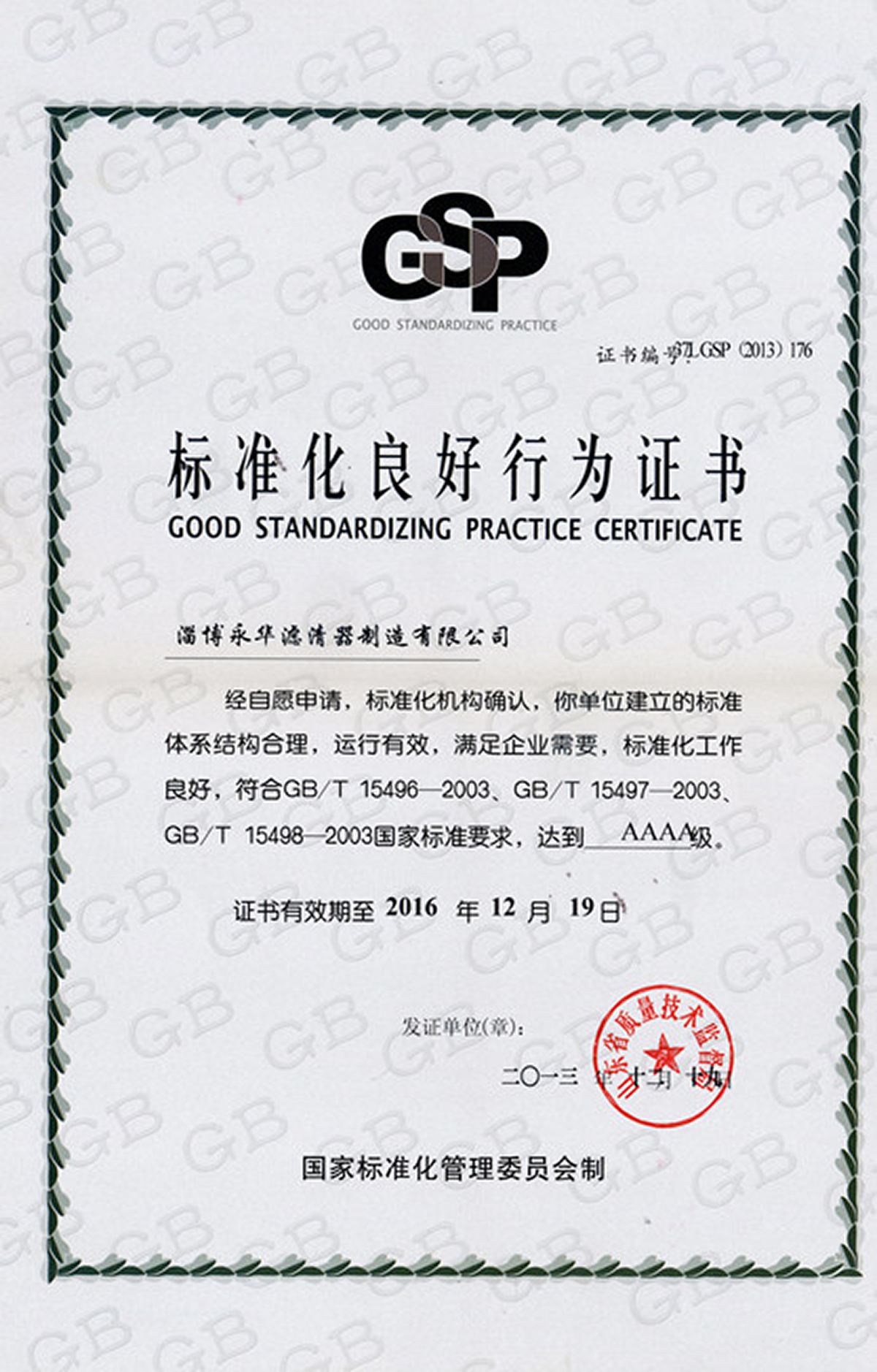
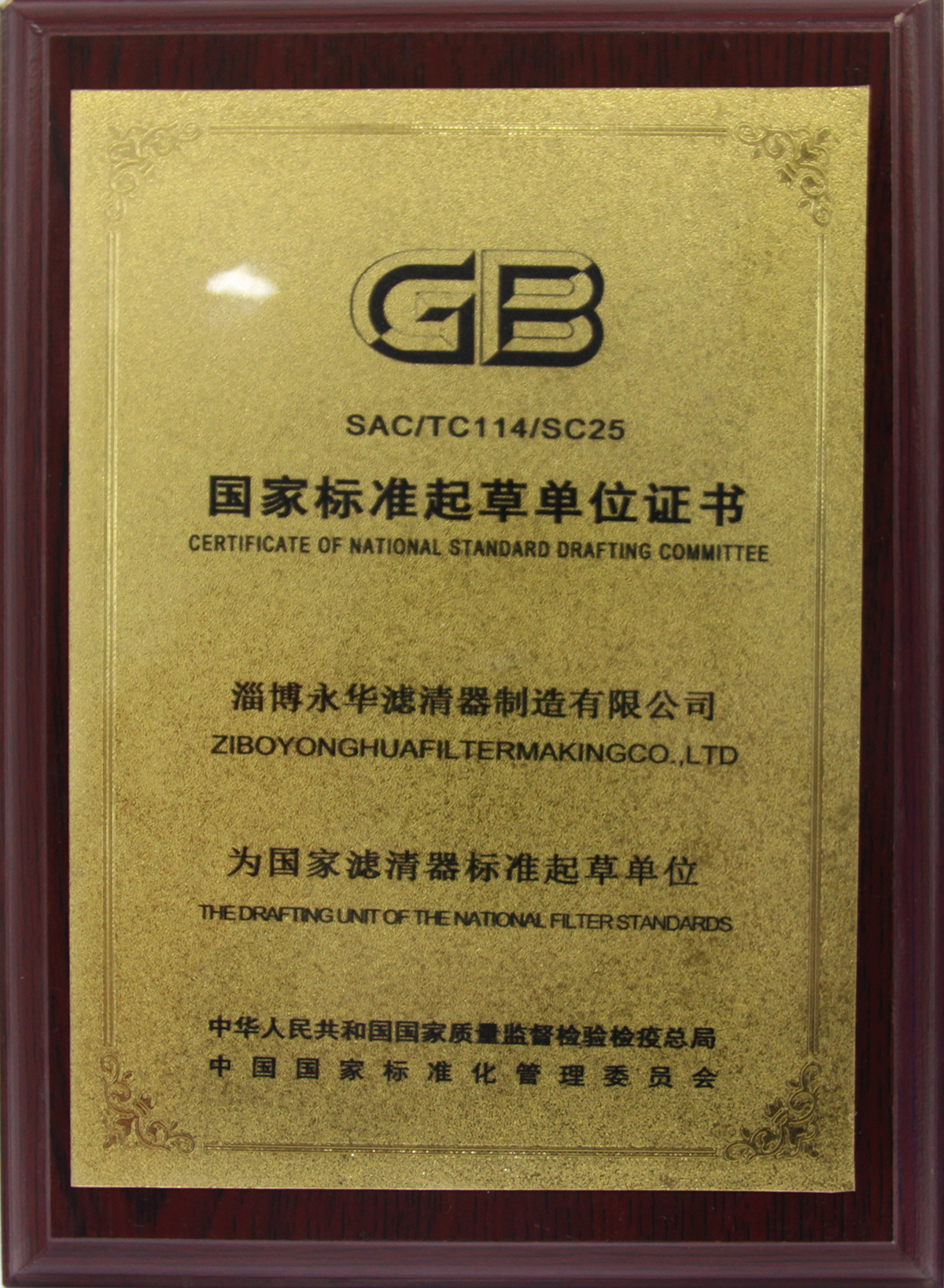
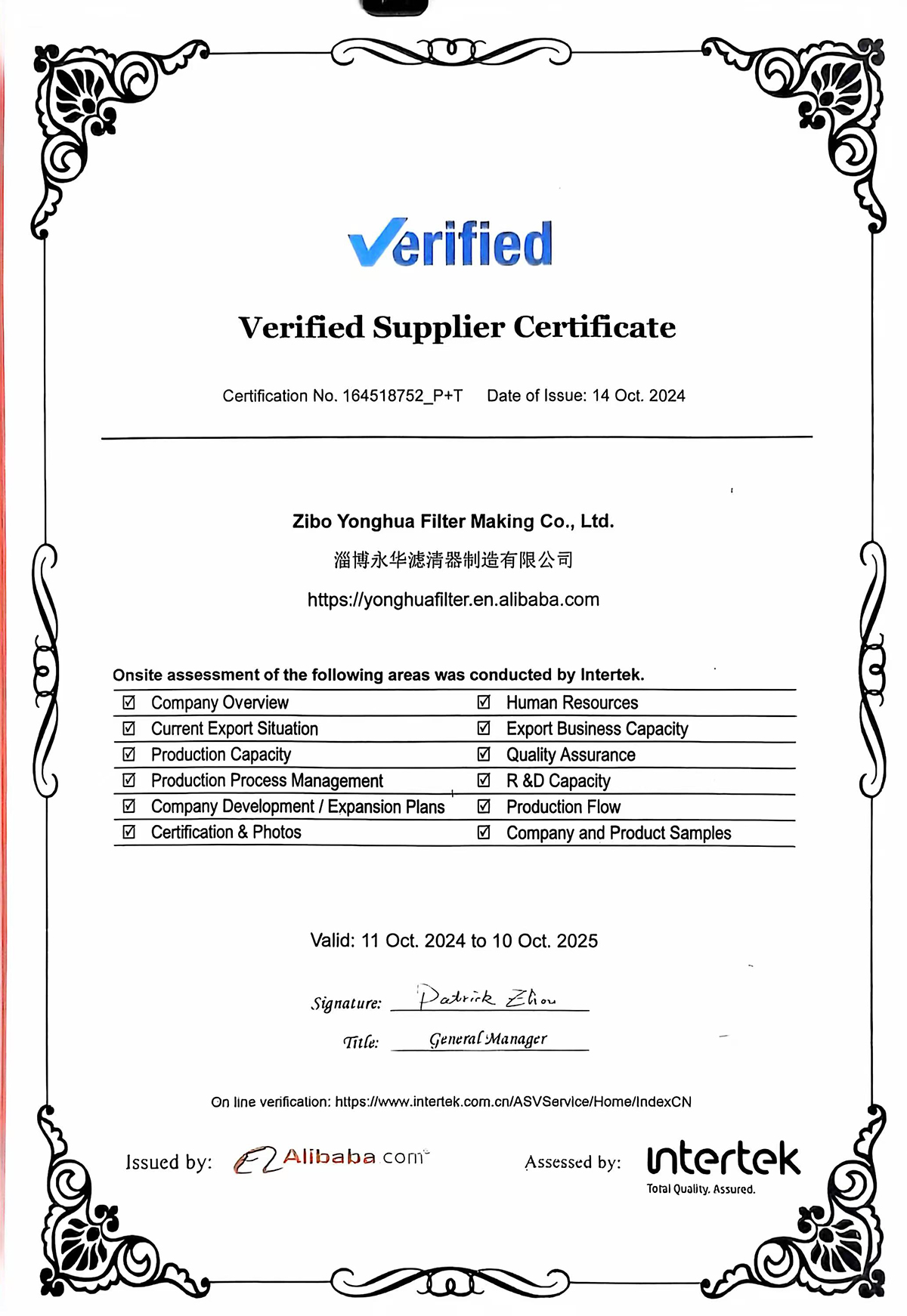
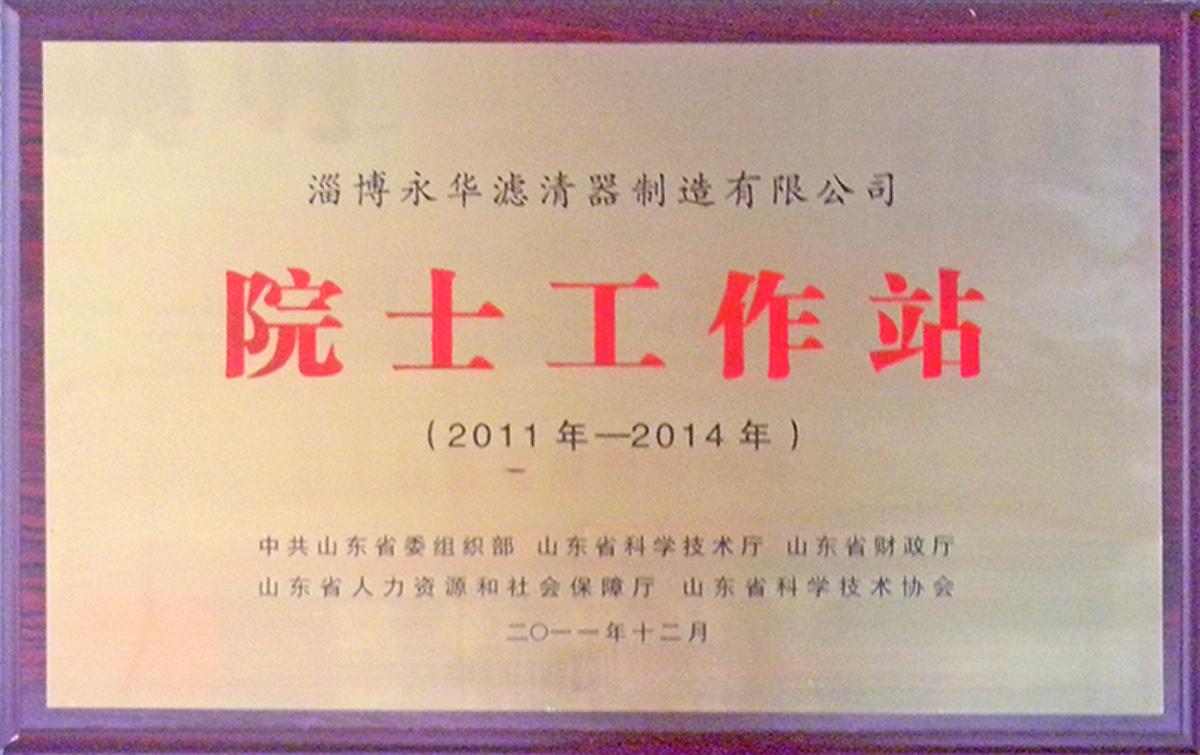
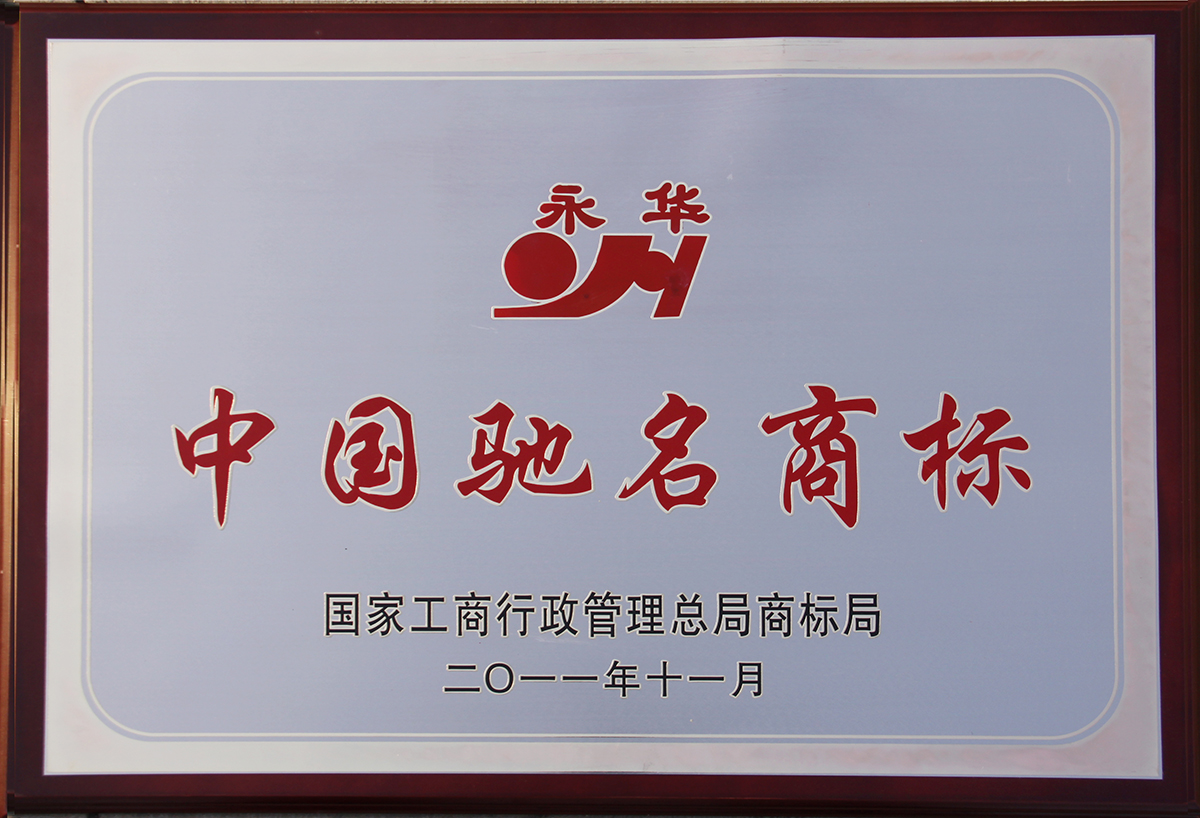
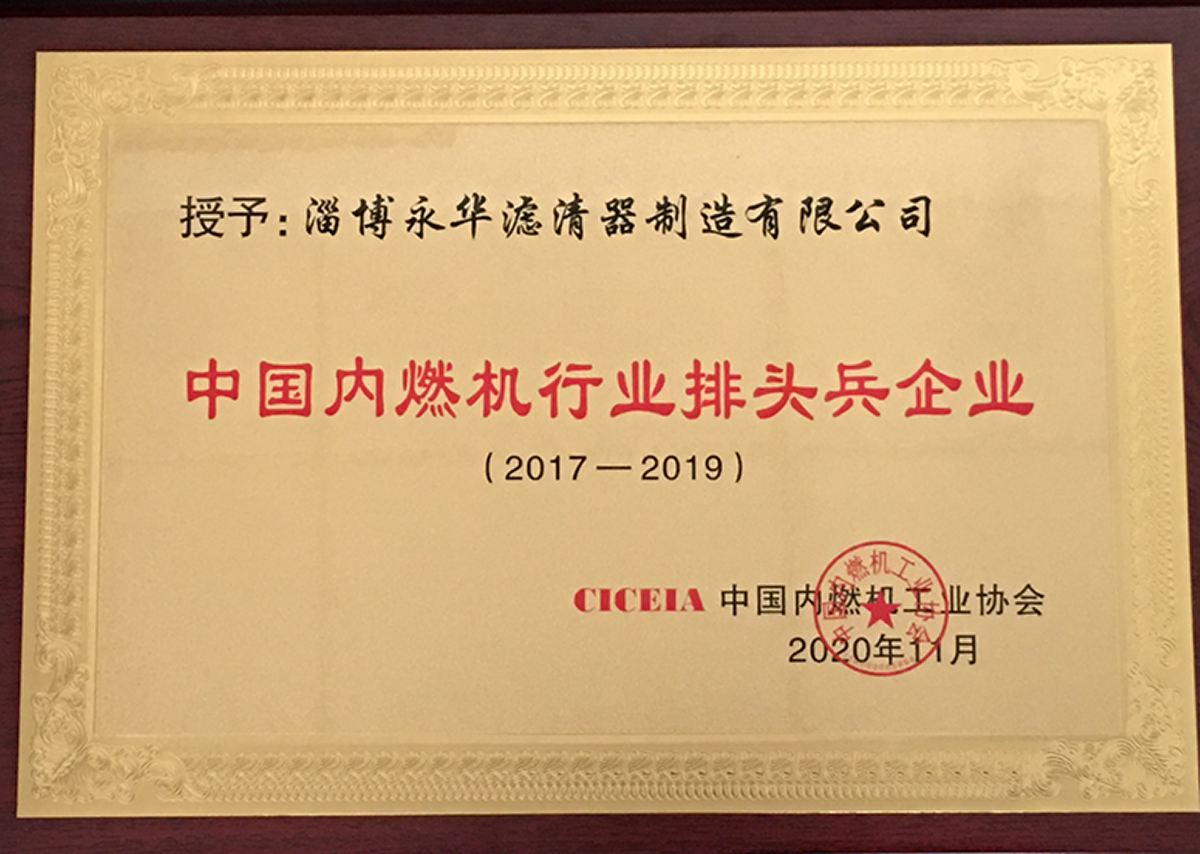
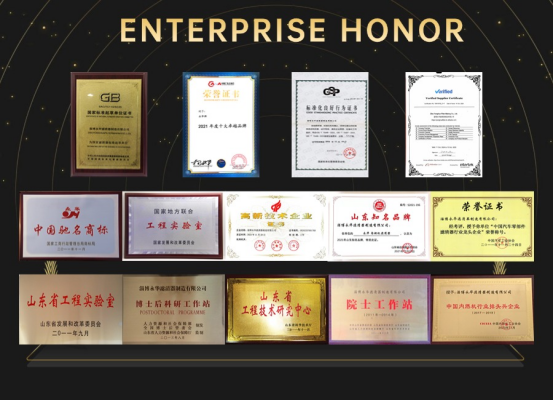
8.ISO certificate and Enterprise honor
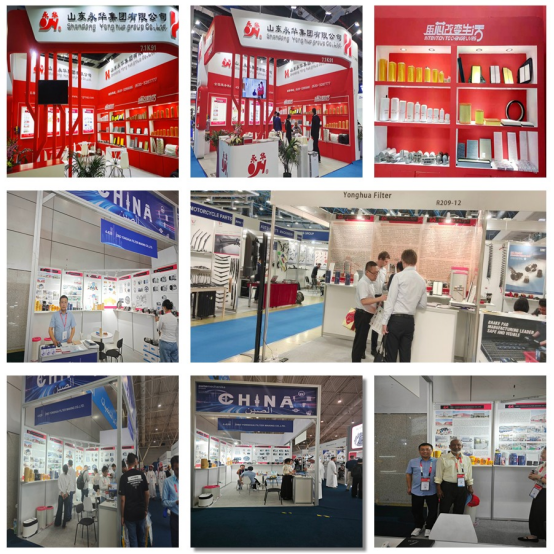
9.Participate in foreign exhibitions
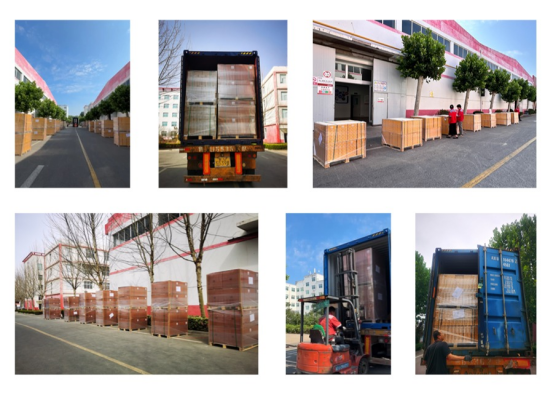
10.Delivery
11.FAQ
Q1: How often should I replace the filters in my car?
A1: The replacement interval depends on the type of filter, your vehicle's make and model, driving habits, and operating environment. Please use the following general guidelines, but always consult your Vehicle Owner's Manual for the most accurate information.
Oil Filter: Typically replaced every time you change the engine oil. Conventional oil: every 5,000 km / 6 months. Full synthetic oil: can be extended to 10,000-15,000 km / 1 year.
Air Filter: Recommended inspection or replacement every 15,000 to 30,000 km. If you frequently drive in dusty or poor road conditions, shorten the interval.
Cabin Air Filter: Recommended replacement every 10,000 to 20,000 km or once a year. If you are particular about air quality or notice reduced airflow or odors, replace it promptly.
Fuel Filter: External filters are generally recommended every 30,000 to 60,000 km; internal filters (inside the fuel tank) may last 100,000 km or more. Always follow the manual's guidelines strictly.
Q2: What are the risks of using cheap or inferior quality filters?
A2: The risks are significant and can lead to "saving small money but costing a lot":
Poor Filtration Efficiency: Failure to effectively filter contaminants leads to increased engine wear, clogged fuel lines, and cylinder scoring.
Low Dirt Holding Capacity: Clogs quickly, causing poor oil circulation, engine overheating, or restricted airflow leading to power loss and increased fuel consumption.
Inferior Materials: Filter media can break down in oil, seals can crack and cause leaks, and the housing can deform or rupture under pressure.
Damage to Critical Components: Long-term use can severely damage expensive parts like the engine, turbocharger, and fuel injection system.
Q3: Why is there such a big price difference for the same filter model from different brands?
A3: The price difference mainly comes from materials, workmanship, technology, and quality control:
Filter Media Quality: High-end filters use imported synthetic fiber media with higher filtration efficiency and capacity; low-price products may use standard paper.
Core Technology: The precision of the bypass valve, the material of the seals, the reliability of the adhesives, and anti-rust treatment all directly impact performance and safety.
R&D and Testing: Reputable brands invest heavily in research, development, and rigorous bench testing to ensure products meet vehicle requirements.
Brand and Certification: Products with ISO certifications or those that meet OEM standards naturally cost more but are far more reliable.
Q4: How can I identify genuine vs. counterfeit or low-quality filters?
A4: You can make a preliminary judgment by looking, touching, weighing, and checking ("Look, Feel, Weigh, Check"):
Look at the Packaging: Genuine product packaging has clear printing, bright colors, and complete information (brand, part number, origin). The filter itself should have fine workmanship, with no burrs or deformation.
Feel the Filter Media: High-quality filter media feels smooth, stiff, and the pleats are evenly arranged; inferior media feels soft and loose.
Weigh It: Due to the use of more solid materials (e.g., metal center tube, quality end caps), a high-quality filter is usually heavier than a cheap one of the same part number.
Check the Source: Purchasing from authorized dealers, brand flagship stores, or reputable repair shops is the most effective way to avoid counterfeits.
Q5: Can I replace the filters myself?
A5: This depends on your DIY skills and the type of filter.
Cabin Air Filters and Air Filters are usually the easiest to replace, often located in accessible places (behind the glovebox or in the engine bay). You can try DIY by following online tutorials.
Oil Filters and Fuel Filters require specific tools (e.g., wrenches, lifting equipment) and knowledge. Incorrect installation can lead to leaks or safety issues. If you are unsure, we recommend having a professional mechanic handle it.
Q6: What does "filtration efficiency" on a filter mean? Is higher always better?
A6: Filtration efficiency refers to the filter's ability to capture particles of a specific size (e.g., 99% @ 20μm). Theoretically, higher efficiency is better, provided flow capacity is maintained. However, an excellent filter must achieve the perfect balance between high filtration efficiency and high dirt capacity / low flow restriction. Our products are engineered to maintain this optimal balance throughout their service life, providing superior protection without compromising engine performance.
Q7: What should I do if I can't find a genuine OEM filter temporarily?
A7: Choosing an equivalent part from a reputable brand (e.g., Mann, Mahle, Bosch, etc.) is a reliable alternative. The quality of these top-tier brands is often equivalent to or better than OEM. Always use your vehicle's VIN (Vehicle Identification Number) or exact make, model, and year to look up and purchase the correct part. Never use a filter with an unclear or mismatched part number.